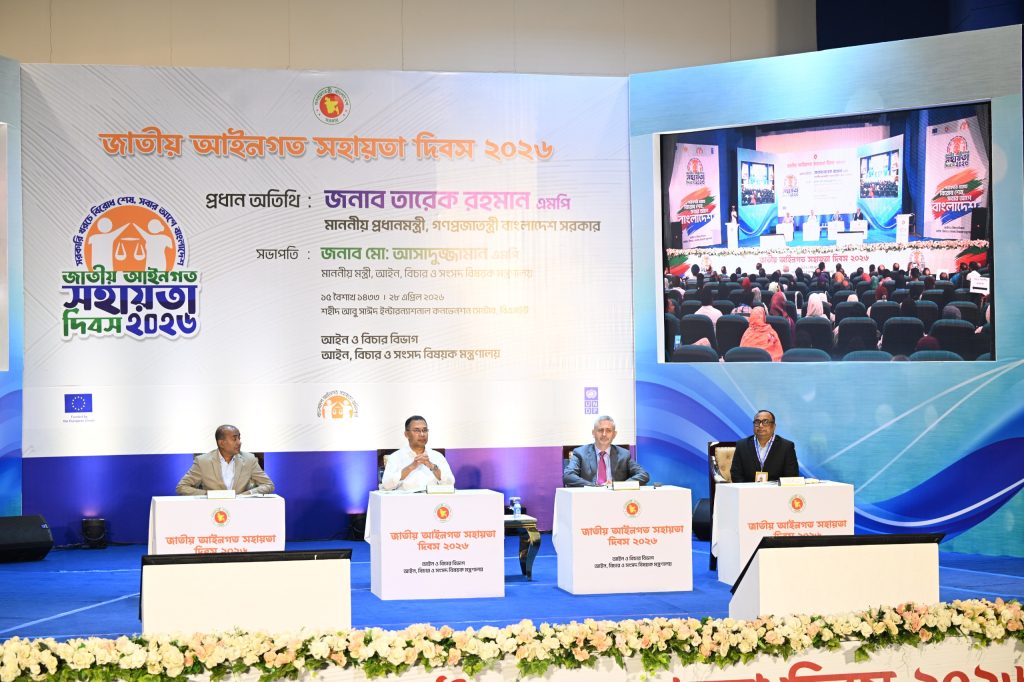
Access to justice is a fundamental right, but hiring a lawyer and managing legal expenses can be difficult for people with limited financial resources. Whether you are dealing with a family dispute, land conflict, criminal case, unpaid money, or another legal problem, you may be able to receive assistance through Bangladesh’s government legal aid system.
The Government of Bangladesh provides legal assistance to eligible people who cannot adequately pursue justice because of financial hardship, helplessness, or other socioeconomic circumstances. The system operates under the Legal Aid Services Act, 2000, and is administered through the relevant government legal aid authorities.
This guide explains how to apply for legal aid in Bangladesh, who may qualify, what documents to prepare, and where to seek help.
What Is Legal Aid in Bangladesh?
Legal aid is assistance that helps people understand and exercise their legal rights when they cannot afford to obtain legal services independently.
Government legal aid may include legal advice, assistance with court proceedings, representation by a panel lawyer, and other support determined by the relevant legal aid authority. Depending on the nature of the dispute and the applicable procedures, assistance with mediation may also be available.
The National Legal Aid Services Organization (NLASO), under the Ministry of Law, Justice and Parliamentary Affairs, is an important government body responsible for providing legal aid services.
Official website: https://nlaso.gov.bd/
Who Can Apply for Free Legal Aid?
Legal aid is intended for people who face difficulties accessing justice because of financial hardship, helplessness, or relevant socioeconomic circumstances.
Depending on the applicable eligibility criteria and assessment, potential applicants may include:
- People with very limited income who cannot afford a lawyer.
- People who are financially disadvantaged or otherwise vulnerable.
- Women and children who need legal assistance.
- People facing family disputes, including certain marriage, divorce, maintenance, or custody matters.
- People involved in land, property, inheritance, or financial disputes.
- People who need legal representation in qualifying civil or criminal proceedings.
- People in detention or custody who need assistance with a legal case.
Important: These examples do not mean that every applicant automatically qualifies. The relevant legal aid authority will assess the circumstances of the applicant and the case under the applicable rules.
How to Apply for Legal Aid in Bangladesh
Follow these steps to seek government legal assistance.
Step 1: Contact the National Legal Aid Helpline
Start by contacting the government legal aid helpline to ask about eligibility, application procedures, and the appropriate office for your case.
The helpline has been reported as changing from 16430 to 16699 in November 2025. Because some government judiciary pages may still display the older number, verify the current number through the official NLASO website before relying on it.
Website: https://nlaso.gov.bd/
When you call, briefly explain your legal problem, your district, and whether a court case has already been filed.
Step 2: Visit Your District Legal Aid Office
You can seek assistance through the District Legal Aid Office associated with the relevant district court.
Contact details and office information may be available on your district judiciary’s official website. For example, the Dhaka judiciary website provides information about its District Legal Aid Office.
Dhaka Judiciary: https://dhaka.judiciary.gov.bd/
If you live outside Dhaka, look for your own district’s judiciary website or ask the national helpline which office you should approach.
Step 3: Prepare Your Application
Explain your situation clearly and honestly. Include information such as:
- Your full name and contact details.
- Your address and district.
- The type of legal problem you are facing.
- A brief description of the events and relevant dates.
- Whether a case has already been filed.
- Why you cannot afford private legal representation.
- The assistance you are requesting.
Use the prescribed application form if the office requires one. Official legal aid application forms are available through government judiciary websites.
Step 4: Collect Supporting Documents
Prepare the documents relevant to your circumstances. Depending on your case, these may include:
- National identity card or birth registration certificate.
- Documents showing your address or personal details.
- Copies of a case petition, court notice, FIR, or other relevant case papers, where applicable.
- Marriage certificate, divorce documents, or birth certificates for relevant family matters.
- Land deeds, inheritance documents, agreements, receipts, or other evidence relevant to a property or financial dispute.
- Available information about your income or financial circumstances.
You do not necessarily need every document listed above. Requirements vary according to the case. Contact the relevant office to confirm what is necessary before travelling.
Step 5: Submit Your Application
Submit your completed application and supporting documents to the appropriate legal aid office or through an official online channel if available for your application type.
Ask for an acknowledgment or receipt, if provided, and keep copies of everything you submit.
Step 6: Wait for the Eligibility Assessment
The relevant authority will consider your application and determine whether you qualify for assistance and what kind of assistance may be provided.
If your application is approved, you may be assigned a lawyer from the relevant legal aid panel, subject to the applicable procedure and the nature of your case.
Keep your contact information up to date so the office can reach you if additional documents or information are needed.
What Types of Cases May Receive Legal Aid?
Depending on eligibility and the applicable procedures, legal aid may be available for different kinds of legal matters.
Family disputes: Certain matters involving divorce, maintenance, marital rights, or child-related issues.
Land and property disputes: Conflicts involving ownership, possession, inheritance, or related legal rights.
Criminal cases: Eligible accused persons or complainants who need legal assistance in criminal proceedings.
Financial disputes: Certain disputes involving unpaid money, contractual obligations, or other financial claims.
Other court matters: Civil or other legal proceedings covered by the relevant legal aid rules.
Not every dispute will necessarily be accepted for legal aid. The relevant authority must assess the circumstances and the scope of assistance available.
Is Government Legal Aid Really Free?
Government legal aid is designed to help eligible people who cannot afford legal services. Approved assistance may include legal advice and representation through a government legal aid panel.
However, do not assume that every possible expense associated with a legal dispute will automatically be covered. Ask the legal aid office what services are included in your approval and whether any additional expenses may arise.
Use official government channels and be cautious of anyone who promises approval in exchange for an unofficial payment.
Can You Apply for Legal Aid Online?
Government websites provide legal aid information and application-related resources. The availability of online application facilities may depend on the service and current procedures.
Start with the official NLASO website:
You can also consult the official judiciary website for your district to find application forms, office information, and legal aid resources.
If you cannot find an online application option for your case, contact the relevant District Legal Aid Office for instructions.
What If Your Legal Aid Application Is Rejected?
If your application is rejected, ask the legal aid office for the reason and information about the available review or appeal procedure.
Under section 16(2) of the Legal Aid Services Act, 2000, a person aggrieved by rejection of an application by a District Committee may appeal to the Board within 60 days from the date of rejection. Confirm the applicable procedure, deadline, and filing requirements with the relevant authority.
Do not miss a court deadline while waiting for a legal aid decision. If your case is urgent, explain the urgency to the office and seek appropriate legal guidance promptly.
Frequently Asked Questions (FAQs)
1. What is the legal aid helpline number in Bangladesh?
The national toll-free legal aid helpline was reported to have changed to 16699 in November 2025. Some official judiciary pages may still show the previous number, 16430. Verify the current contact number on https://nlaso.gov.bd/ before calling.
2. Who provides government legal aid in Bangladesh?
The National Legal Aid Services Organization and the relevant government legal aid authorities administer legal aid services under the applicable legal framework.
3. Can I get a lawyer if I cannot afford one?
You may qualify for assistance, including representation by a panel lawyer, if the relevant authority approves your application under the applicable criteria.
4. Can women apply for legal aid?
Yes. Women who meet the relevant criteria may apply for legal assistance, including in appropriate family and other legal disputes.
5. Do I need a court case before applying?
Not necessarily. Ask the legal aid office whether assistance or mediation is available for your particular dispute before a case is filed.
6. How long does it take to receive legal aid?
Processing time depends on the nature of the case, the completeness of your application, and the relevant office’s procedures. Contact the office for an estimate.
7. Where can I find a legal aid application form?
Check the official NLASO website and your district judiciary’s website for legal aid application forms and instructions.
Conclusion
Getting legal aid in Bangladesh can help eligible people access legal advice and representation when they cannot afford private legal services. The best starting points are the official National Legal Aid Services Organization website and the District Legal Aid Office serving your area.
Prepare a clear explanation of your problem, collect relevant documents, confirm the current helpline number, and follow the official application procedure. If your matter involves an urgent court deadline or immediate danger, seek appropriate legal or emergency assistance without delay
Disclaimer: This article provides general legal information, not individualized legal advice. Eligibility, procedures, contact numbers, and the services available may change. Verify current requirements with the relevant government legal aid authority before applying.